 Inktend
Inktend / Pen library / Falcon
Falcon

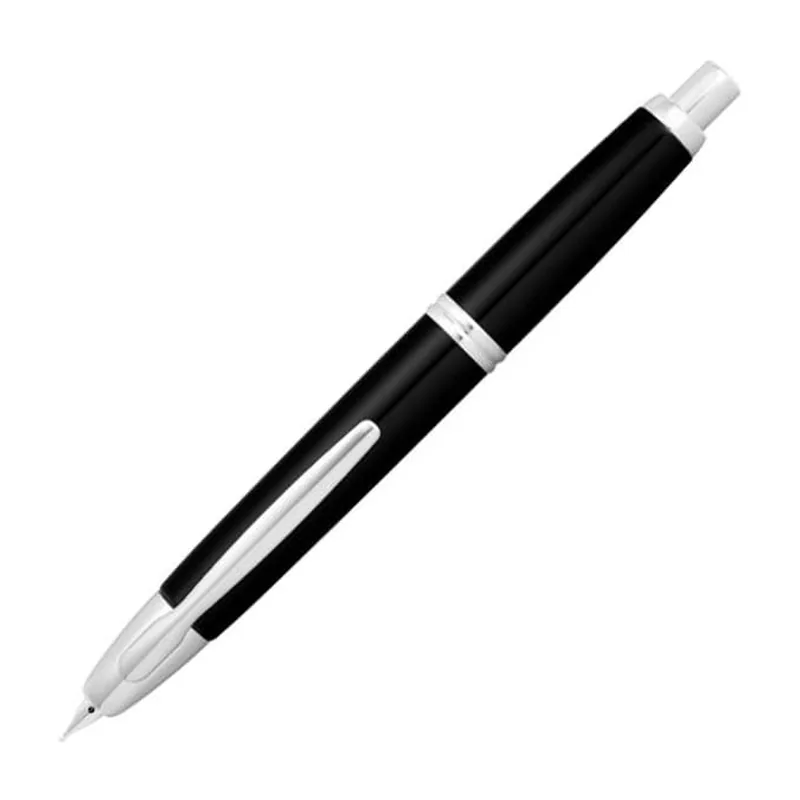
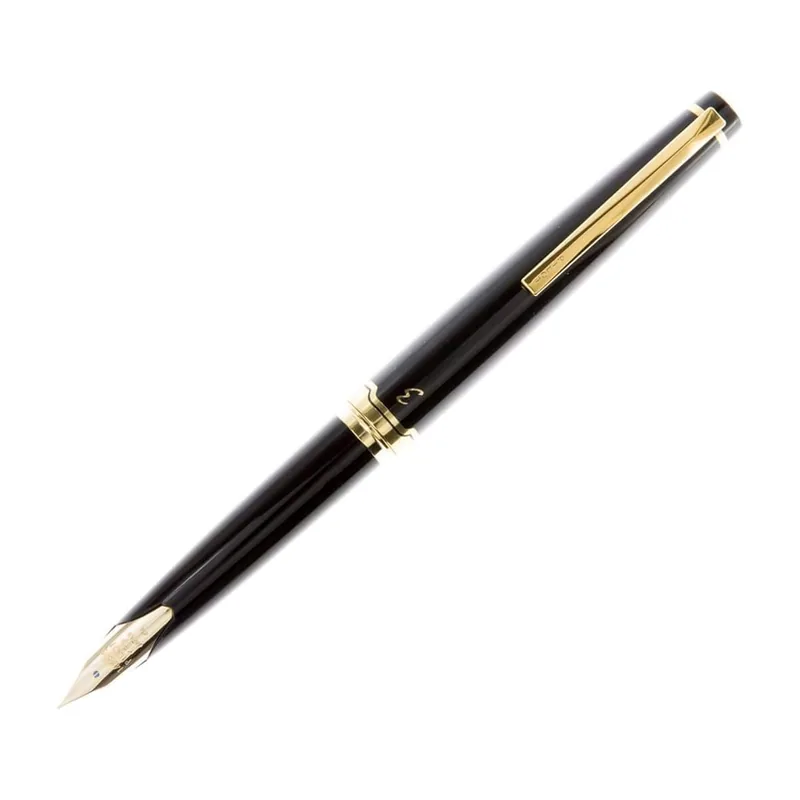
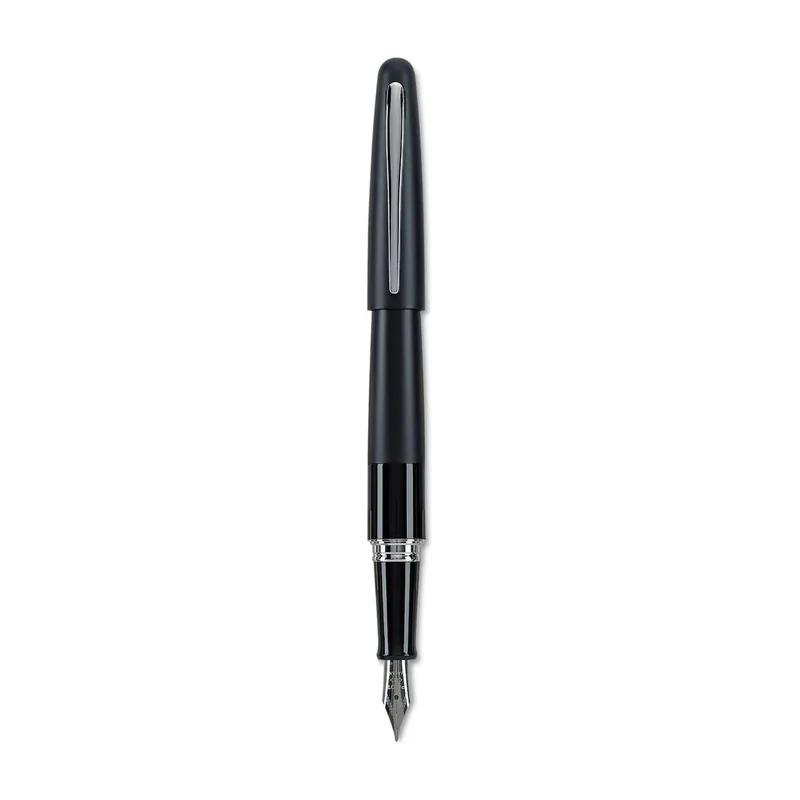
A model in Pilot's fountain pen lineup. Specs below reflect the typical configuration across Pilot's core range.
A natural second or third pen for someone who's confirmed they enjoy the hobby and wants a nicer nib. Not usually the first pen someone buys, but a common upgrade target.
Specs
About Pilot
Founded in Tokyo in 1918, Pilot is one of the oldest and largest pen makers in the world, and the company behind the Iroshizuku ink line and the Namiki maki-e tradition.
How to fill the Pilot Falcon
Fill it two ways: snap in a pre-filled international cartridge for convenience, or use a converter (a small plunger or twist mechanism that installs the same way a cartridge does) to draw ink from any bottle. The converter route opens up the entire world of bottled ink, which is where most of the hobby's color variety lives.
Choosing a nib size
Nib size determines line width, not writing pressure: fountain pens are meant to glide, never press. Extra-fine (EF) suits small, dense handwriting and thin paper; fine (F) is the most broadly recommended default; medium (M) shows more ink character and shading; broad (B) and stub grinds favor bold, expressive strokes and calligraphy-adjacent writing.
Keeping it clean
A quick flush with cool water every time you switch ink colors, plus a full clean every 4 to 6 weeks of regular use, is enough to keep the nib and feed performing well. Inktend's cleaning reminder is tuned to a 21-day baseline and adjusts naturally to how often you actually refill.
Pairing inks with the Falcon
Because refills are quick with a cartridge or converter, this is a good pen for rotating through several colors rather than committing to one; sample vials work especially well here.
Frequently asked questions
More from Pilot
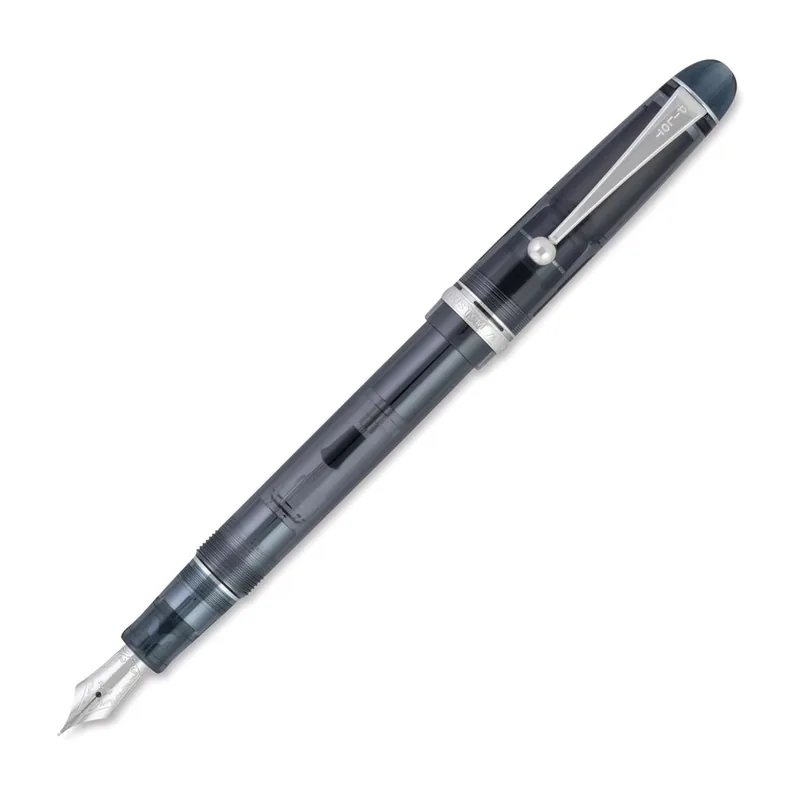
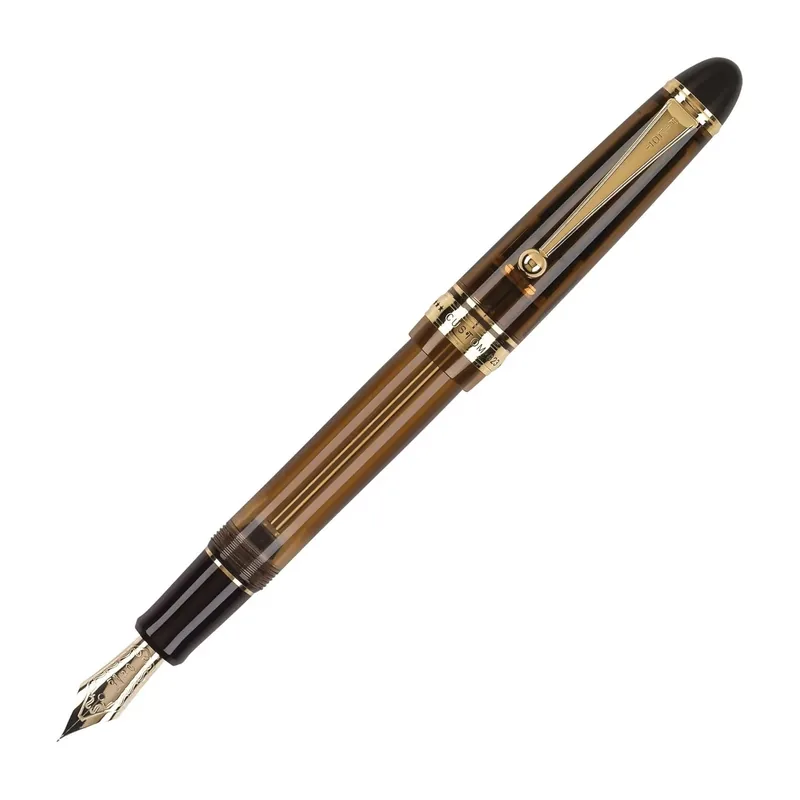
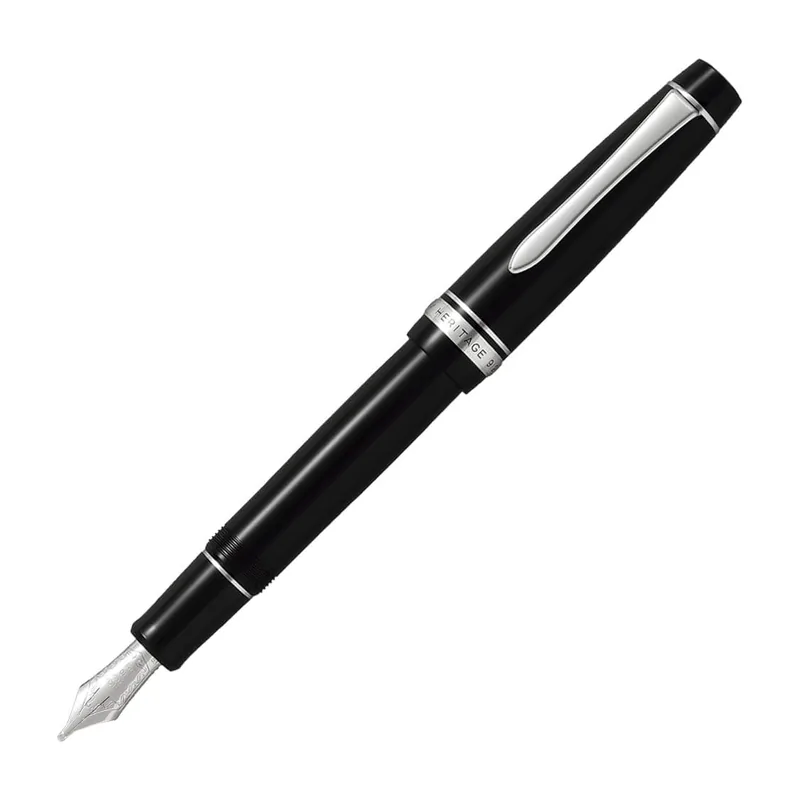
Specs reflect the typical configuration across Pilot's core lineup rather than this exact model. Check current listings before buying.