 Inktend
Inktend / Pen library / Eco-T
Eco-T
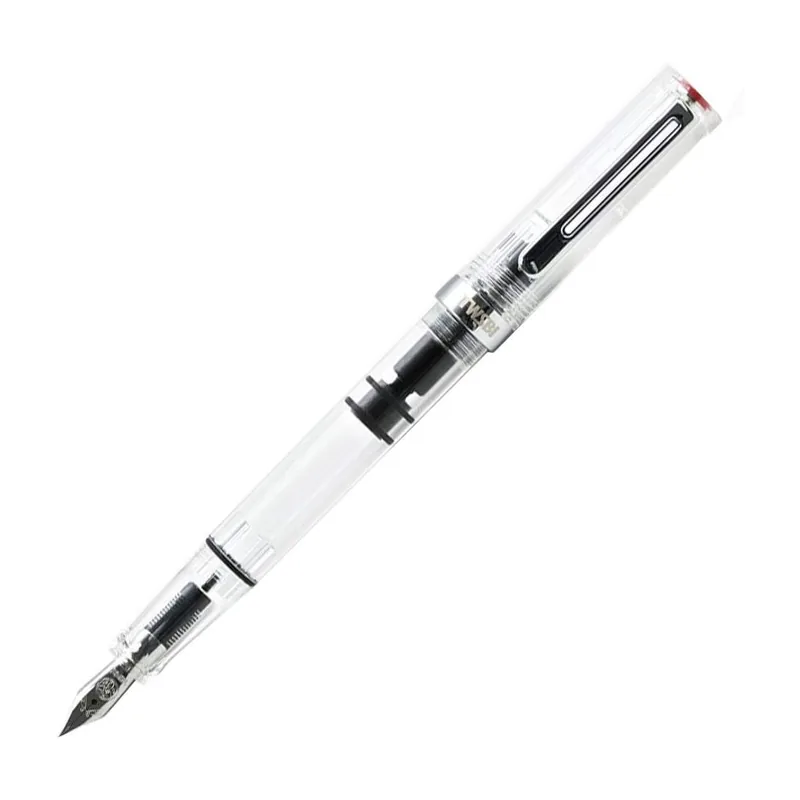
A model in TWSBI's fountain pen lineup. Specs below reflect the typical configuration across TWSBI's core range.
Priced squarely in first-pen territory: low enough that trying fountain pens for the first time doesn't feel like a gamble.
Specs
About TWSBI
Founded in 2009 by Ta Shin Precision, a Taiwanese manufacturer with over 50 years of plastics and metals experience, TWSBI's first pen, the Diamond 530, introduced an affordable piston-fill demonstrator that reshaped the entry-level market.
How to fill the TWSBI Eco-T
Unscrew the piston knob at the back of the pen, submerge the nib fully in a bottle of ink, and slowly turn the knob counter-clockwise then clockwise to draw ink in. Piston fillers hold significantly more ink than a standard cartridge, often enough for several weeks of regular writing, at the cost of being limited to bottled ink only.
Choosing a nib size
Nib size determines line width, not writing pressure: fountain pens are meant to glide, never press. Extra-fine (EF) suits small, dense handwriting and thin paper; fine (F) is the most broadly recommended default; medium (M) shows more ink character and shading; broad (B) and stub grinds favor bold, expressive strokes and calligraphy-adjacent writing.
Keeping it clean
Because TWSBI Eco-T holds a larger ink reserve, a full flush every 4–6 weeks (or whenever you switch colors) keeps the feed running cleanly. Inktend's cleaning reminder is tuned to a 21-day baseline and adjusts naturally to how often you actually refill.
Pairing inks with the Eco-T
High-capacity fillers like this one are the natural home for sheening and shading inks; you'll actually see the color develop across a full page instead of running out mid-paragraph.
Frequently asked questions
More from TWSBI
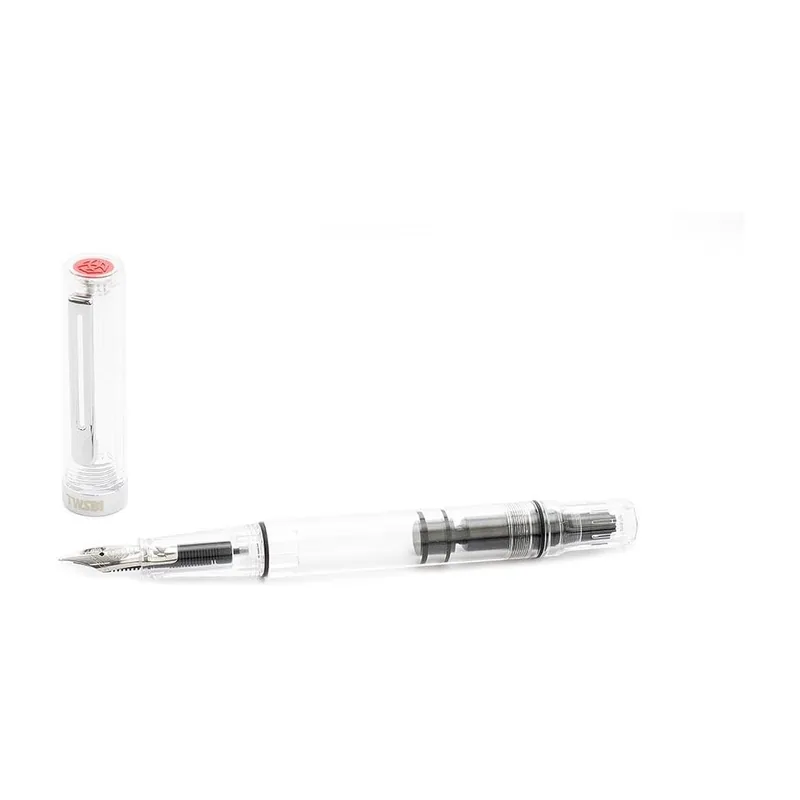
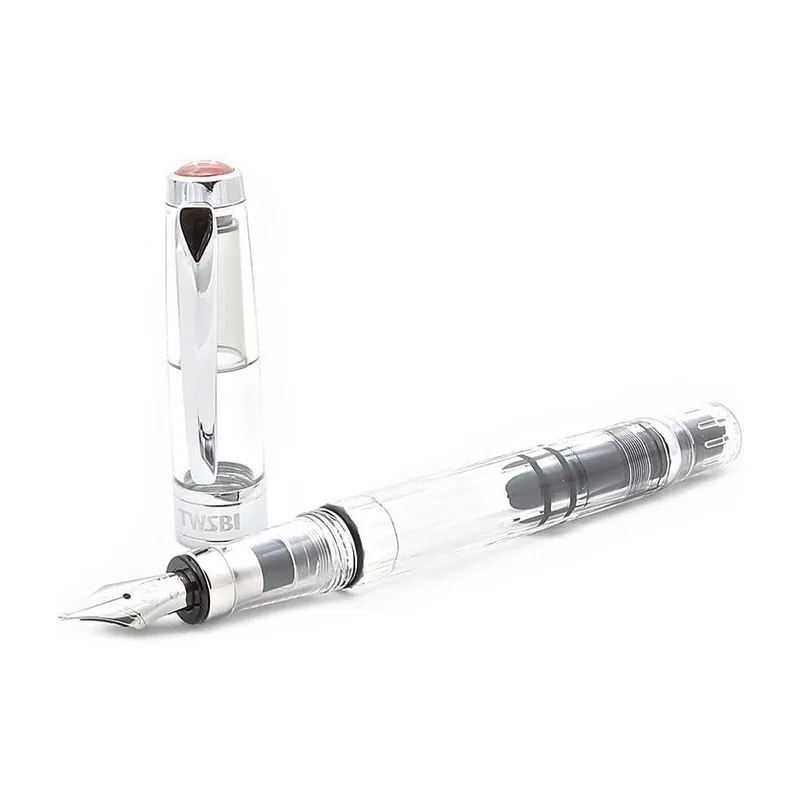
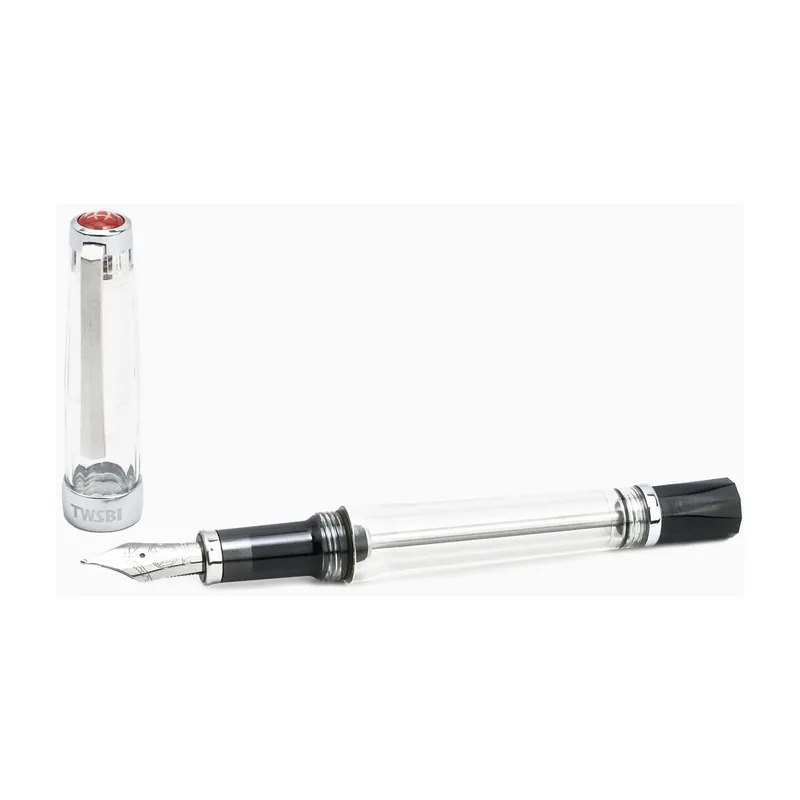
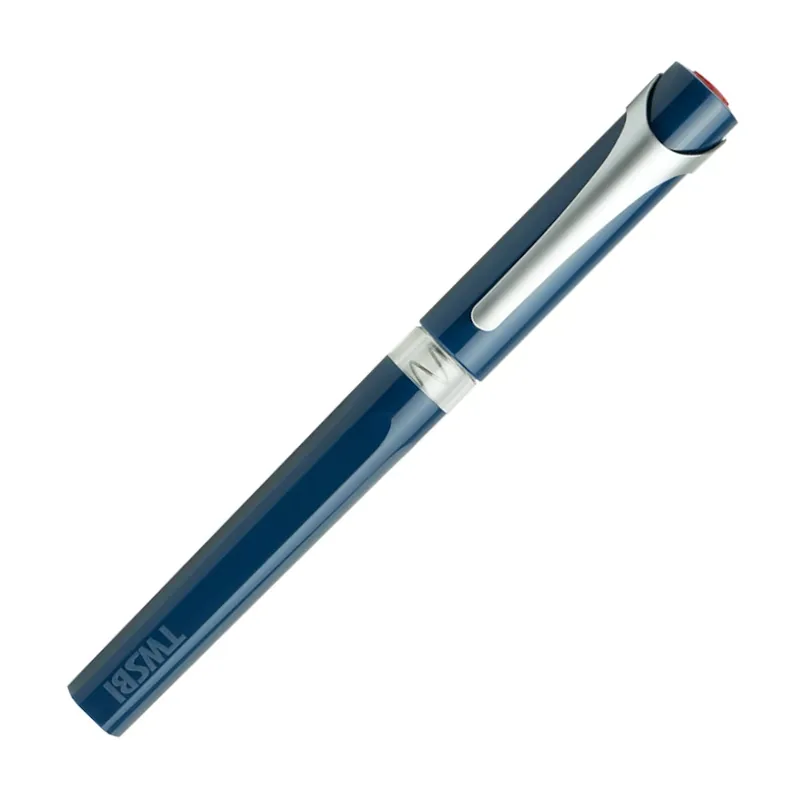
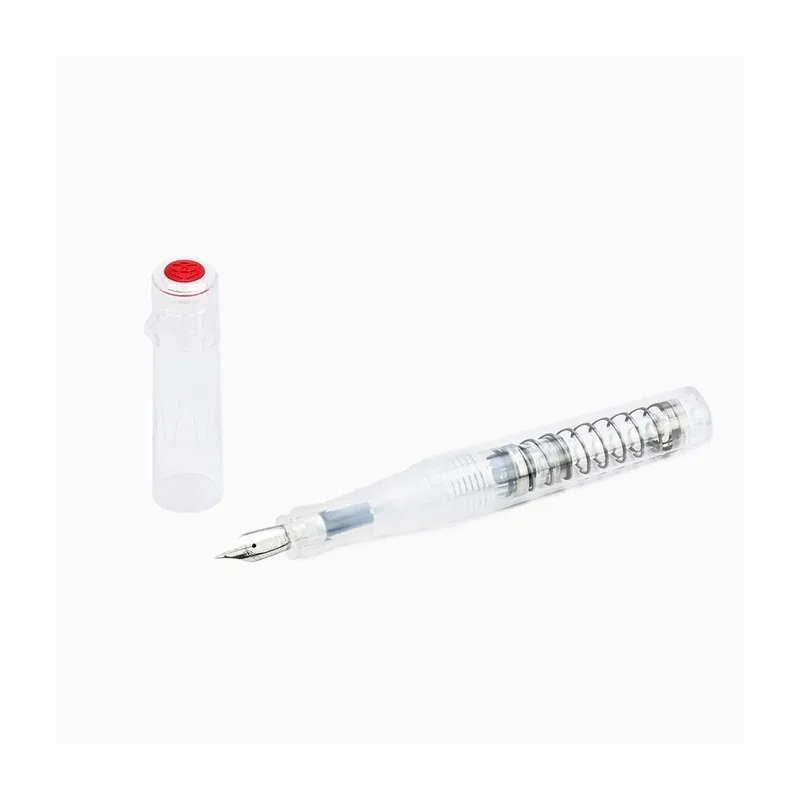

Specs reflect the typical configuration across TWSBI's core lineup rather than this exact model. Check current listings before buying.